Returning to DC is always a pleasure. Each time, I discover a new side of the city. The details below touch briefly on my last three visists, focusing on the museums. Following posts will cover monuments, restaurants, and the greener side of DC.
During my first trip, I stuck to attractions that were close to my hotel. I was in town for a work conference so I didn’t want to stray too far. The only thing worse than getting lost is getting lost and being late to work. During my quicker stops, I forgot to take photos of the artist and title of the work so the talent captured in some of these photos are anonymous to me. If you recognize a work that isn't credited, let me know in the comments section and I'll add the information.
National Museum of Women in the Arts
More exposure for this gem, please! So many great artists, so much captivating work! This is where I fell in love with Remedios Varo. I was instantly entranced by her dreamscapes and her use of contrasts. I'm no art expert so I purchased
Five Keys to the Secret World of Remedios Varo at Fondo de Cultura Economica, a nearby Spanish-language bookstore. She started off doing illustrations for the drug company, Bayer, and then...
Photos don't serve justice to these painting. You must visit the museum!
Smithsonian National Zoo
I have a love-hate relationship with zoos. I understand that many zoos have transformed into rehab and preservation centers rather than the capture and display models of the past. Zoos bring exposure to people who don't have easy access to the great outdoors. That exposure can change lives and lead to activism and research that ultimately helps animal populations at large. But I still hate seeing animals caged up.
Visitors note: go in the early morning before it gets too hot. The animals are more likely to be out and about. In the heat of the afternoon and evening they're generally hiding in the shade or napping.
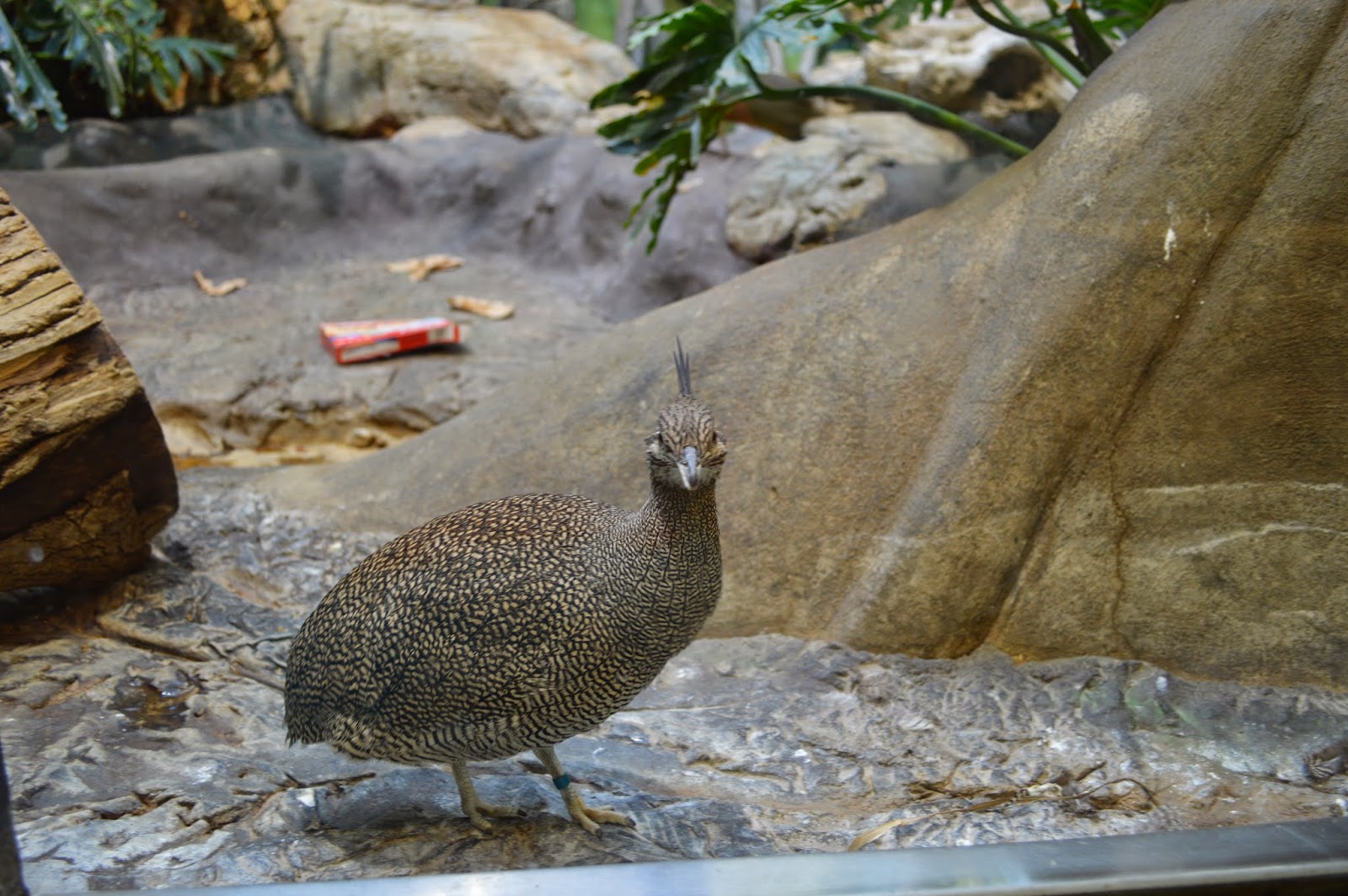
Anyway, below are a few of the animals that struck a pose for me.
Madam Tussaud's Wax Museum
So touristy, so pricey, but I had to!
Visitor's Note: Get a discount by buying tickets online and going early in the day. I also recommend going with someone. You're bound to run into somebody that you want a photo with and it's good to have a friend on hand to snap the shot.
Also, since everyone eventually wants a photo with at least one wax figure, be kind to fellow visitors. A little line forms, people have their picture, and move on. Go with the flow.
Below are a few of my favorites. Unfortunately, this is the closest that I'll ever get to most of these people.
National Museum of the American Indian
My favorite by far was the Museum of the American Indian. The building itself is stunning. Once inside, I stood in the middle of the atrium looking up at the staircases. Love. love. love that building.
The exhibitions were great, too. It was the first time that I got to see so many different nations represented in one area and get a crash course in their history. Enough to whet the appetite. Enough to make me angry. The widespread injustice is still nauseating. Although I learned a lot about the theft, lies, and systematic cultural oppression as a child, the refresher course of back-to-back nonsense made me want to punch The System in the neck. BUT there are also some very edifying elements, examples of love, strength and grace. There is so much amazing artwork and engaging mythology, too, so it's possible to leave without heading straight to your psychologist.
The entire museum has dim lighting, which made it hard to take good photos without a flash. But you must go! It's so worth the visit. The staff here is exceptionally nice and helpful. (The best of DC museums, I'd say.)
National Air and Space Museum
Mu husband's favorite was the Air and Space Museum. It's great to see original vessels and to-scale replicas. And of course, it's informative.
Smithsonian Institution National Museum of Natural History
The Museum of Natural History was kind of cool, too, but we went on a weekend when there were tons of school groups. The sheer abundance of small children--meandering aimlessly, bumping into everyone, yelling at the top of their lungs--made the experience less than stellar.
In any case, it's worth the trip, especially if you're into fossils. The taxidermy was great for getting an idea of the animals' scale (some are much bigger or smaller than I thought) but stuffed animals are hard for me to stomach.
The mummy was surreal. I know it's a person but it was somehow less disturbing than the stuffed animals. Strange how my mind works.
Visitor's Note: Heads up, some kids thought it was cool and other kids (such as an 6-year old boy ) burst into tears. Just something to keep in mind if you're coming with kids.
Smithsonian American Art Museum
This was the best surprise of the trip. I generally find something to enjoy in all art museums and figured we'd go to this one for that very reason; I wasn't looking forward to it.
But oh. my. goodness.
I died.
I stood in front of the painting of the ocean for several minutes just staring at the sunlight emanating through the crest of the wave. Human skills created that.
While I can appreciate impressionism and modern art, realism and the more realistic paintings and sculptures always capture my heart. I grow weak in the knees when I stand before a good portrait. Which brings me to...
The Phillips Collection
I didn't know what to expect of this small museum. I now know that it's worth the cost of entry.
Thomas Eakin's
Miss Amelia Van Buren slayed me
. I saw it, loved it, passed through the entire museum and revisited it. They probably thought I was scoping out the place to come back and steal it.
There were several other great surprises there. Rockwell Kent's
The Road Roller and
Burial of a Young Man, several Georgia O'Keeffe's works such as
Red Hills, Lake George and Horace Pippin's
Domino Players.
National Museum of African Art
Awesomeness. This was another museum with a building that is as great as the artwork featured inside.
I loved the broad range of art there, from jewelry and accessories (want. all.) to masks, instruments, textiles, furniture, paintings, photography, videos. Each floor and wing offered something unique.
This visit was bittersweet. I wish I knew more about my ancestry but our records just don't go back that far. So...I just embrace the coolness of the entire continent *smile*.
The intricacy of textiles and carvings is marvelous. The museum was relatively empty when we were there so I was able to put my face inches away from the case and explore it all. Loved it.


Go visit.
Side Note: Tips for Traveling On Foot
The year that I went back with my husband, we made the mistake of visiting in the height of summer. We nearly perished in the heat on the first day. The second day, we wised-up. I carried an umbrella to block the sun and we brought a change of shoes: we walked between locations and waited in line in our athletic shoes, which provide cushion and support but can get toasty. Then we slipped those off, switched into flip flops and toured the museums. Our bodies cooled off much faster and our feet got a chance to relax. It makes ALL the difference in the world, I promise.
It also helps to play in the pubic fountains :)
Consider bringing water and snacks since tourist trap prices will violate your wallet. Just be mindful that some museums will want you to finish your beverage before entering.




.jpg "organic cucumbers in raised bed garden")